Be yourself; Everyone else is already taken.
— Oscar Wilde.
This is the first post on my new blog. I’m just getting this new blog going, so stay tuned for more. Subscribe below to get notified when I post new updates.
 Kampangan Cuisine
Be yourself; Everyone else is already taken.
— Oscar Wilde.
This is the first post on my new blog. I’m just getting this new blog going, so stay tuned for more. Subscribe below to get notified when I post new updates.
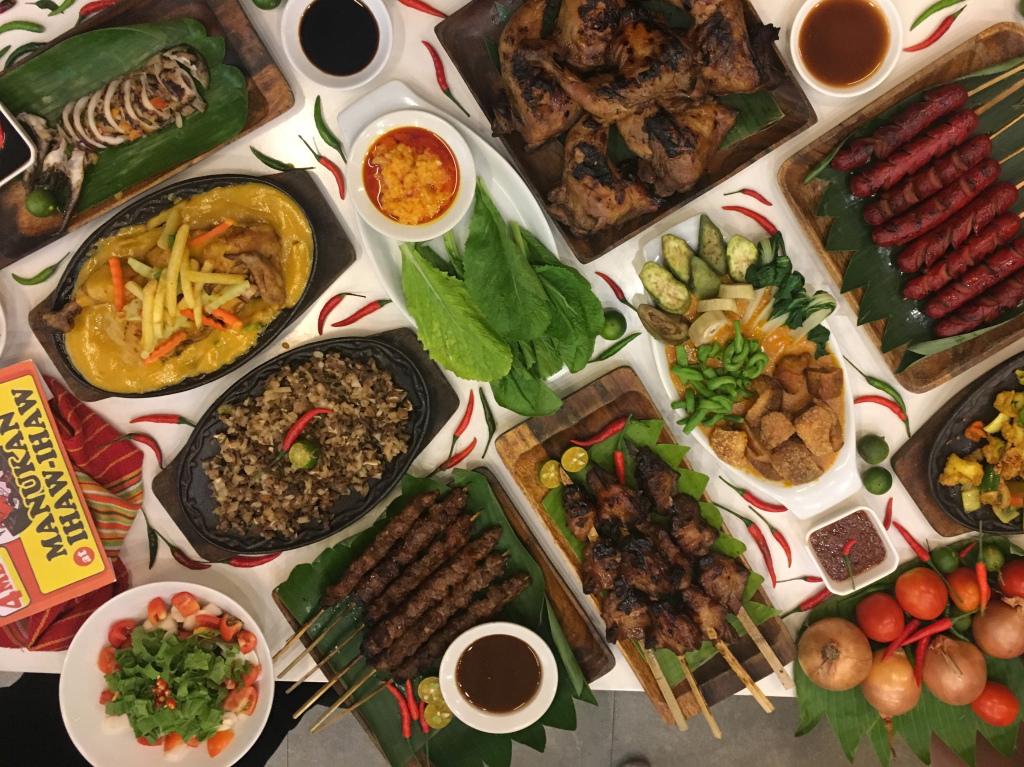
Pampanga is a province rich in heritage, fertile soil, rich culture and most of all delicious and authentic foods. When in Pampanga, you need to try all their original dishes that you wouldn’t usually be able to try in other parts of the country. However, if you’re pressed for time try these 8 authentic Kapampangan dishes instead.
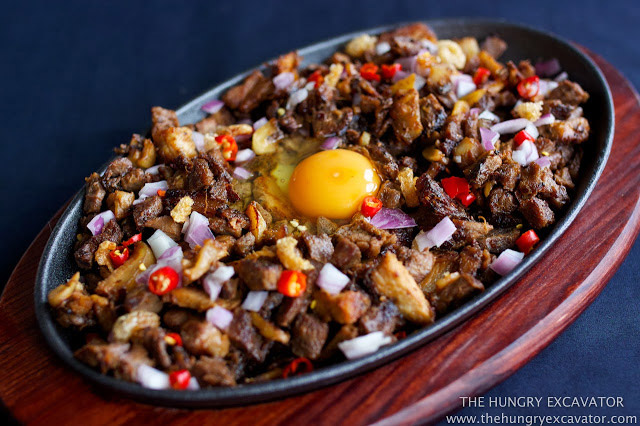
Every single story about Sisig from Pampanga will tell you that “Aling Lucing” or Luciana Cunanan from Angeles, Pampanga is the “Queen of Sisig” for she prepared the famous dish in a way that no one has done yet during her time. She used a hot sizzling plate and everyone loved the crispy version of this pig head parts and liver specialty and the rest is history.
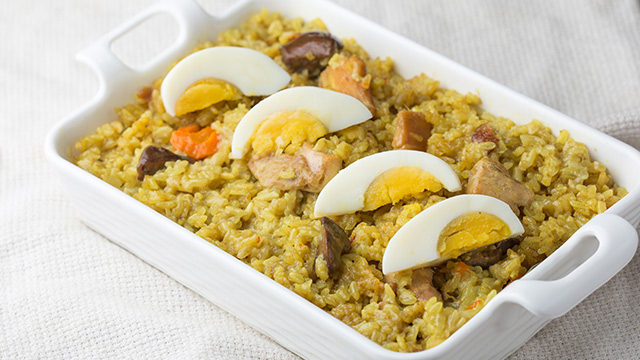
If Spain has Paella, Pampanga has Bringhe and it’s an absolute must eat Kapampangan dish. Bringhe either uses pure glutinous rice (malagkit) or half regular rice and half glutinous rice. It has a rich taste due to the ingredients used like native chicken, coconut milk and luyang dilaw (turmeric). A combination of boiled eggs and green and red peppers are used to adorn the rice dish.
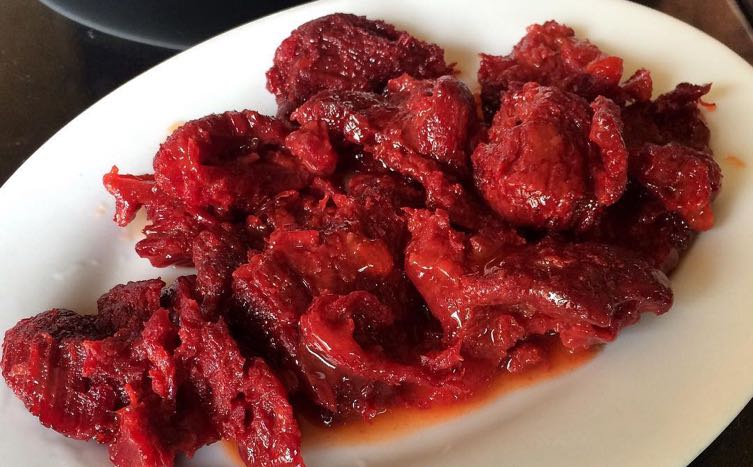
Pindang Kalabaw or Pindang Damulag is not your typical tapa because the meat used is from carabao. Vendors all throughout the province sell this preserved meat. It’s sour in taste which some people might think it’s not good to eat anymore but that really is its flavor. Sugar, salt, anisado wine and Prague powder is used to preserve the meat.
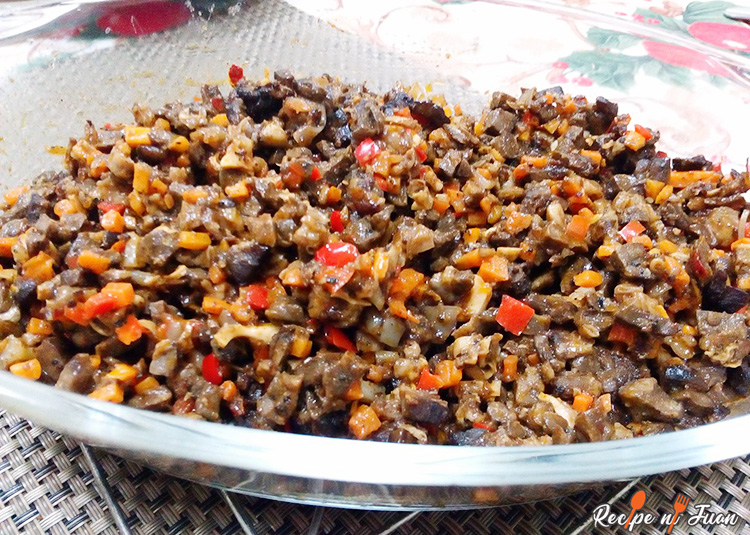
A dish made of pork or beef lungs and heart, bopis is also sauteed in onions, tomatoes, and chilies and has a distinct piquant flavor.
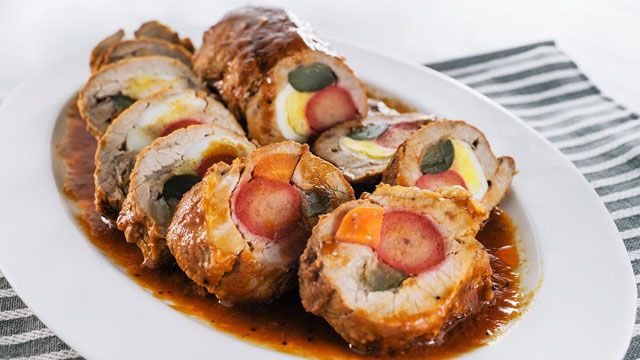
Morcon is a special dish from Pampanga that’s always present in gatherings due to its decorative presentation. Unlike the common morcon where a thinly sliced beef is tied up together with other ingredients, this morcon uses ground pork and beef, chorizo, onions, eggs, grated cheese, and raisins. It is then wrapped inside in the caul fat of a pig. It’s steamed until cooked and it’s very much like Embotido in appearance but of a different taste.
This is an example post, originally published as part of Blogging University. Enroll in one of our ten programs, and start your blog right.
You’re going to publish a post today. Don’t worry about how your blog looks. Don’t worry if you haven’t given it a name yet, or you’re feeling overwhelmed. Just click the “New Post” button, and tell us why you’re here.
Why do this?
The post can be short or long, a personal intro to your life or a bloggy mission statement, a manifesto for the future or a simple outline of your the types of things you hope to publish.
To help you get started, here are a few questions:
You’re not locked into any of this; one of the wonderful things about blogs is how they constantly evolve as we learn, grow, and interact with one another — but it’s good to know where and why you started, and articulating your goals may just give you a few other post ideas.
Can’t think how to get started? Just write the first thing that pops into your head. Anne Lamott, author of a book on writing we love, says that you need to give yourself permission to write a “crappy first draft”. Anne makes a great point — just start writing, and worry about editing it later.
When you’re ready to publish, give your post three to five tags that describe your blog’s focus — writing, photography, fiction, parenting, food, cars, movies, sports, whatever. These tags will help others who care about your topics find you in the Reader. Make sure one of the tags is “zerotohero,” so other new bloggers can find you, too.
 Kampangan Cuisine